New Entry System
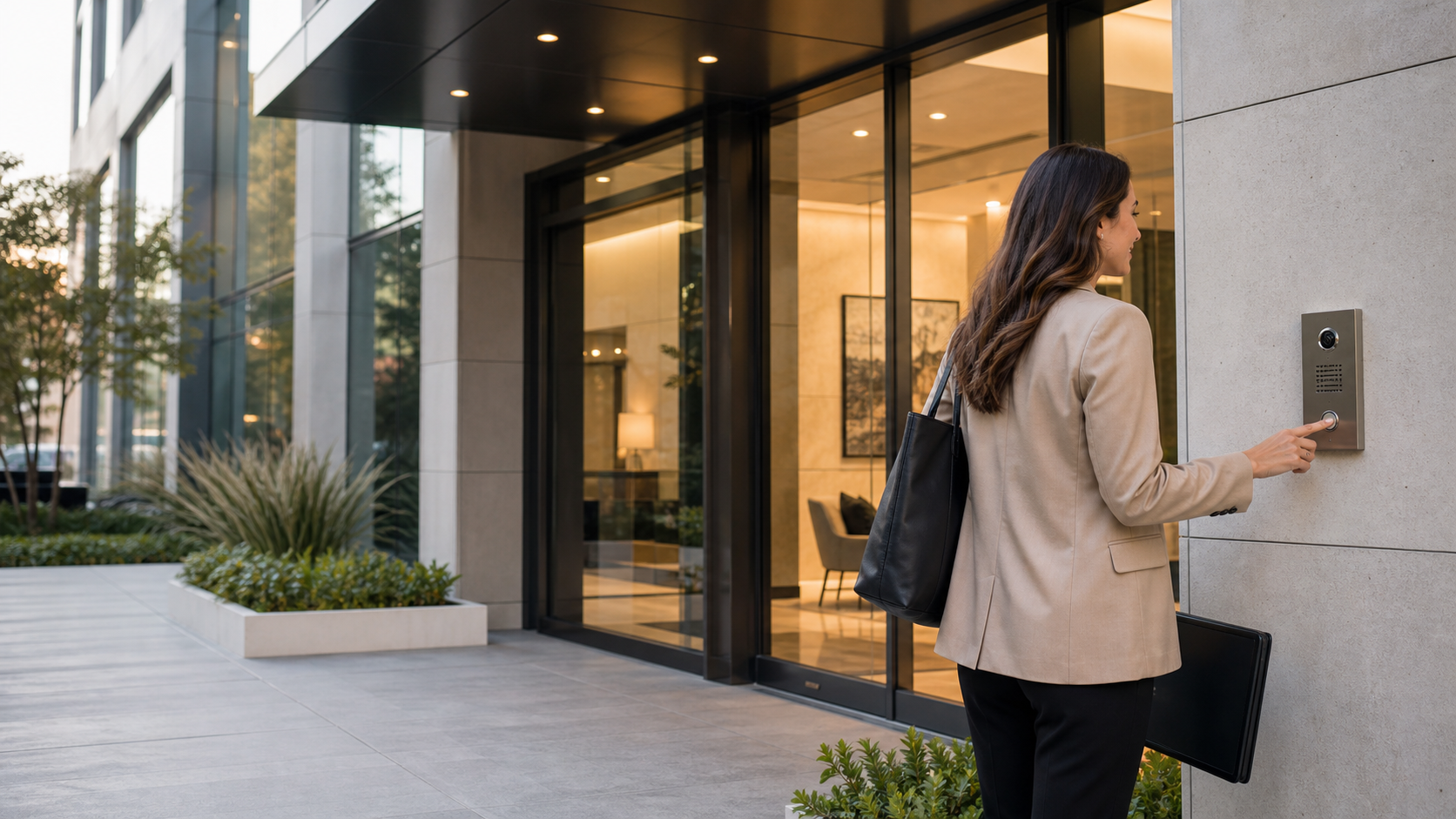
Plan visitor communication, verification, and controlled door release around the people who actually manage the entrance.
How we can help
Plan visitor communication, verification, and controlled door release around the people who actually manage the entrance.
Modernize outdated stations, improve remote answering, or connect entry workflows with access control where appropriate.
We can troubleshoot unreliable audio, video, door release, networking, and other issues affecting daily use.
Design around the arrival
The right system starts with the real visitor process—not a list of devices. We map who answers, how the visitor is verified, who can release the door, and what should happen when the usual person is unavailable.
Give approved staff a clear way to see or speak with a visitor and release the correct door from an appropriate workstation or mobile device.
Where the selected platform supports it, temporary credentials, QR codes, text invitations, or pre-enrollment can reduce manual handoffs.
Coordinate visitor calls, resident verification, remote door release, and related access workflows without making the entrance harder to use.
Connected entry
Connecting communication with door permissions can give staff a more complete entry workflow while keeping authorization under control.
Some platforms may support temporary enrollment or facial credentials. Availability depends on the platform, hardware, licensing, integrations, and a client-approved privacy and consent policy.
We will help identify what is supported before recommending a workflow.
Project proof
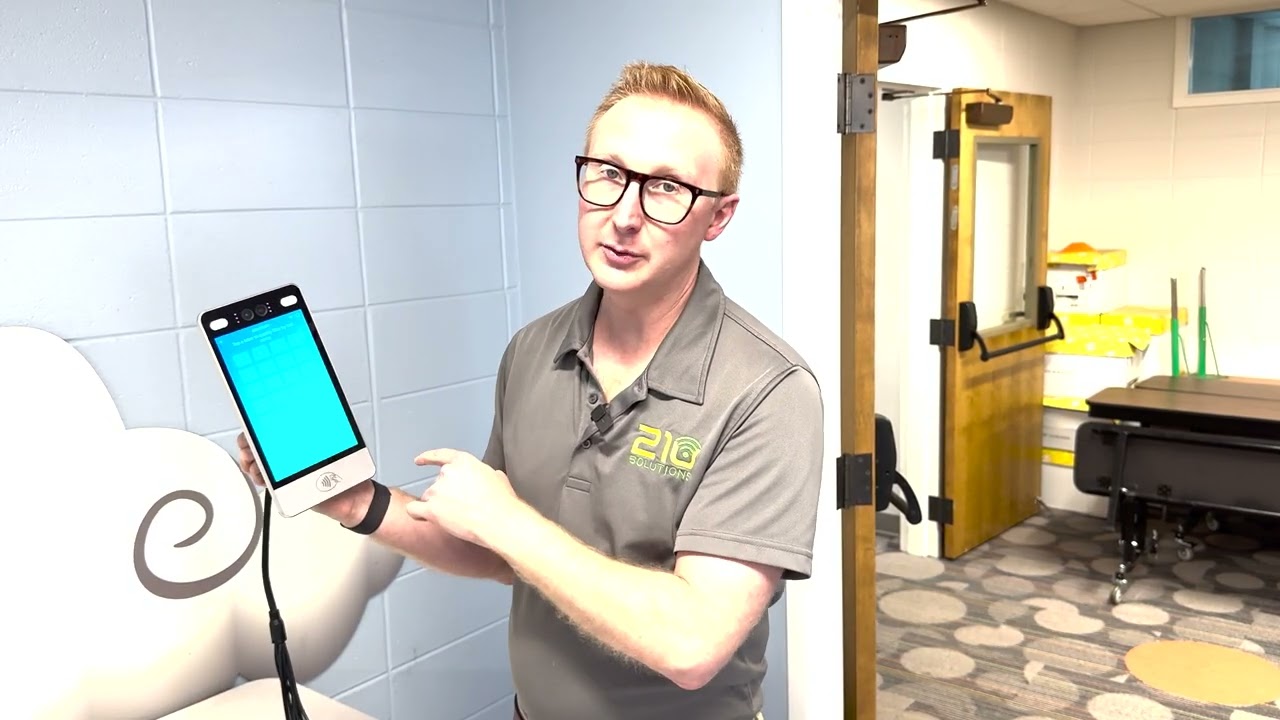
210 Solutions implemented a cloud-managed video intercom and access-control workflow that lets approved staff see, speak with, and release visitors from supported workstations, phones, or mobile devices.
The project also supports temporary mobile and QR-code credentials, with optional facial credentials subject to platform availability and client policy.
View the projectA practical next step
Tell us what is happening now and what you want the entry experience to be.
We can assess communication, power, networking, door release, and the surrounding system.
We can review supported answering and release workflows for the right staff and doors.
We can help define the workflow first, then identify technology that supports it.
Talk with 210 Solutions
Whether you are planning something new or trying to fix an existing system, we can help identify the right next step.
Tell us what you’re working on or what isn’t working. Whether it’s a new installation, an upgrade, a takeover, or a system that needs troubleshooting, we’ll help you figure out the next step.
We will respond the same business day.