NEW SYSTEM
Plan around the content and audience
Design digital signage, a video wall, an LED wall, or another large-format display around what people need to see and where they will see it.
Tell us about the space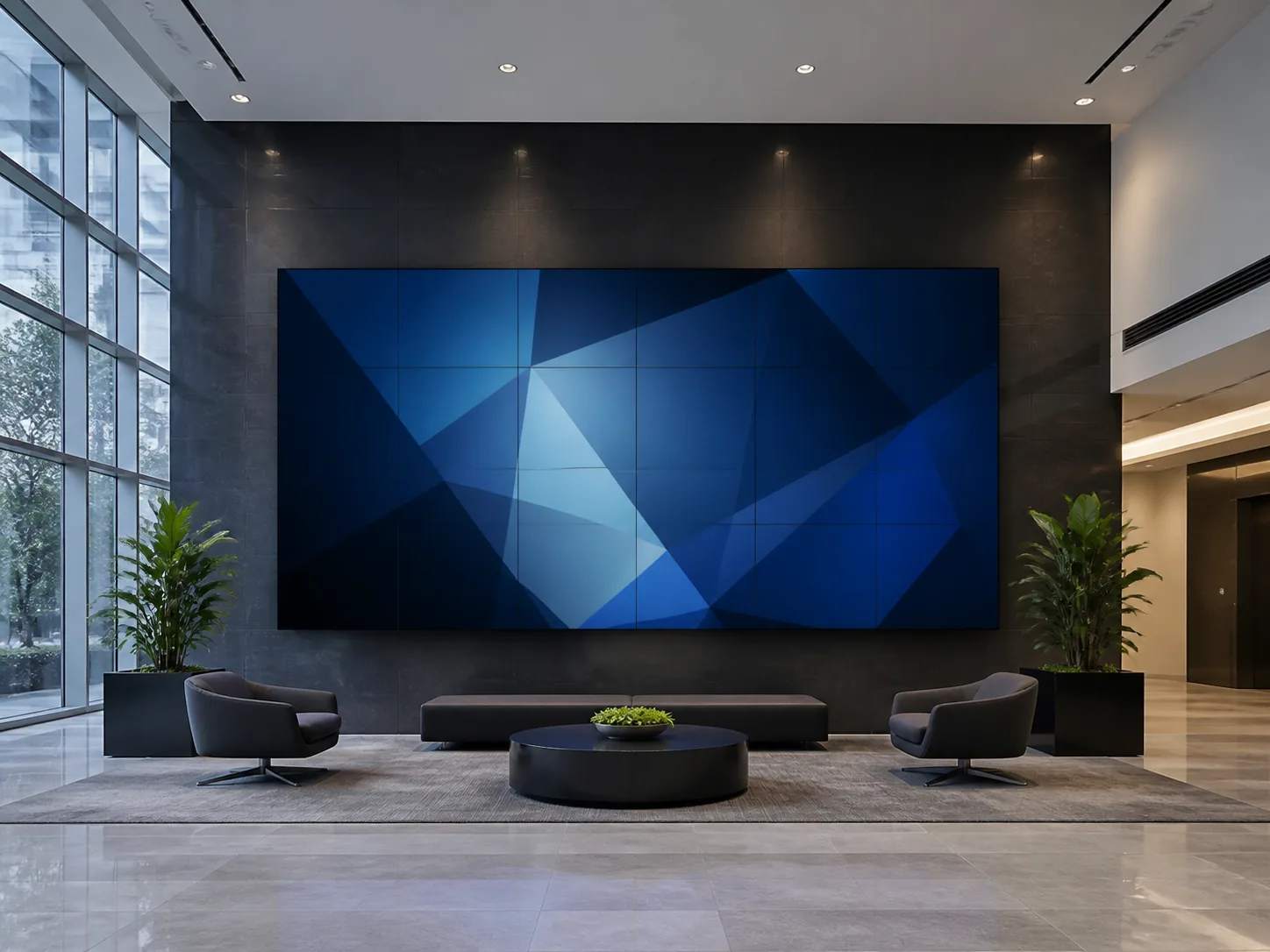
We help with new visual communication systems, modernization, content workflow improvements, and troubleshooting.
Design digital signage, a video wall, an LED wall, or another large-format display around what people need to see and where they will see it.
Tell us about the spaceImprove displays, content distribution, management, monitoring, and serviceability without assuming a complete replacement.
Tell us what you want to improveFind signal, display, module, control, content-distribution, cabling, or network problems regardless of the original installer.
Tell us what is happeningThey can work together, but each term describes a different part of the visual communication system.
Digital signage describes how content is created, scheduled, distributed, and presented. It can support company communications, dashboards, menus, wayfinding, announcements, directories, public information, lobby displays, and multiple locations.
The screen matters, but so does how information gets updated.
A video wall generally combines multiple individual displays into one larger visual canvas. It can support dashboards, operations environments, large presentations, public displays, and high-impact corporate spaces.
The visible seams and service model come from using separate displays.
An LED wall uses modular LED cabinets or panels to create one continuous display surface. Indoor and outdoor LED walls can scale to large sizes without combining traditional flat-panel displays.
Viewing distance, pixel pitch, brightness, service access, power, heat, processing, and content resolution shape the right design.
Multiple individual displays work together as one larger display. Standard panel formats and close viewing can make this approach appropriate for many control, presentation, and public-facing environments.
Modular LED panels create one continuous display surface. A Direct View LED wall can support flexible sizes, high brightness, and large visual canvases indoors or outdoors.
Neither approach is automatically better. The right choice depends on physical size, viewing distance, environment, service access, budget, and the content being shown.
Digital signage is different: it describes the content workflow and may use one standard display, several displays, a video wall, or an LED video wall.
Start with what people need to understand, how far away they are, and how the information will be managed. The display technology follows that use case.
Text, dashboards, menus, wayfinding, video, and presentation sources place different demands on resolution and layout.
The nearest and farthest viewers affect image size, pixel density, and whether details remain readable.
Ambient light, indoor or outdoor use, mounting, structure, power, heat, and access shape the practical options.
Content ownership, scheduling, permissions, network delivery, monitoring, and local exceptions need a workable process.
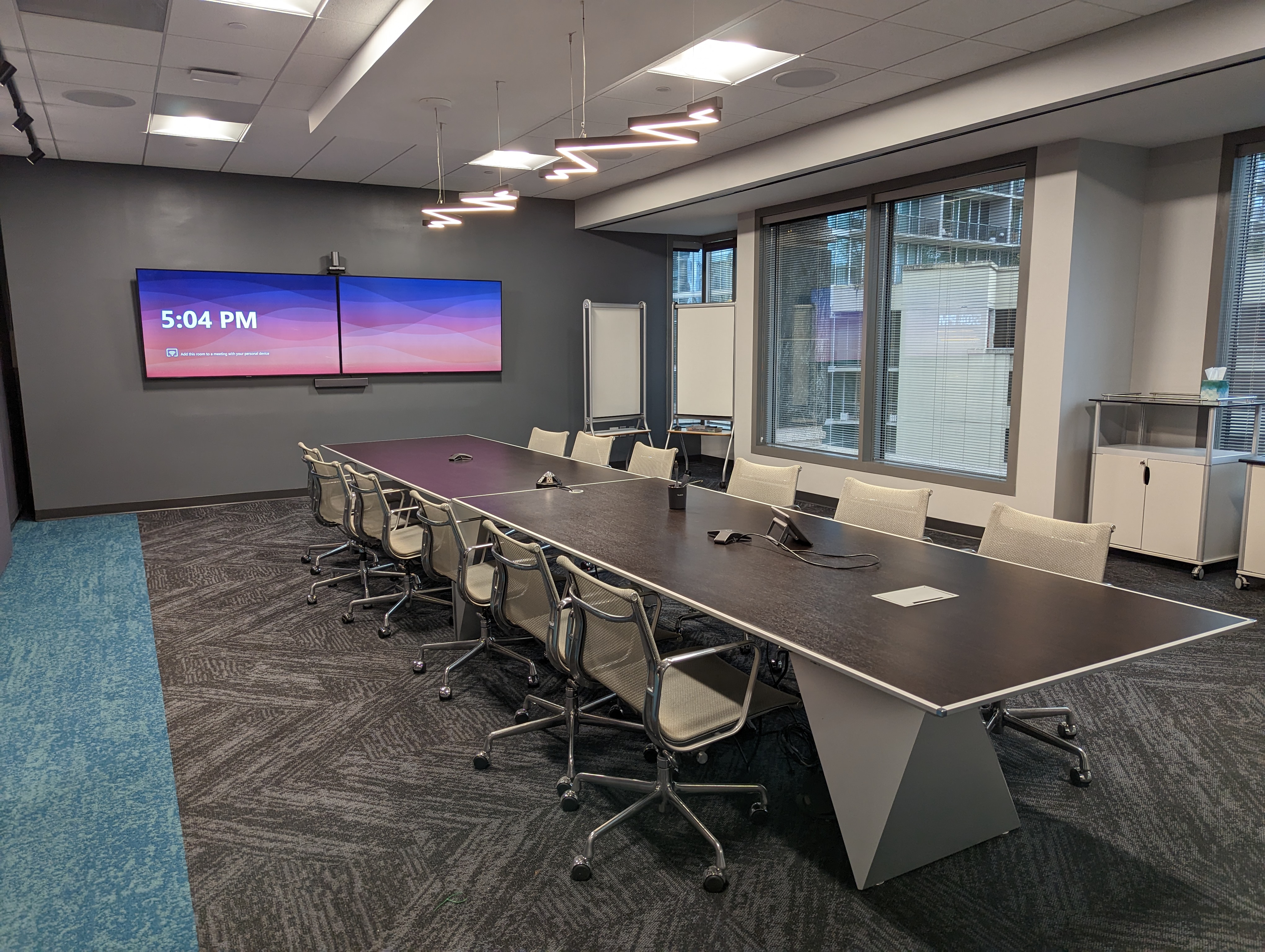
See how collaboration rooms and digital signage were addressed as part of one workplace technology project.
View the Brunner projectA visual system needs realistic content ownership, monitoring, documentation, service access, and a path for replacing players, processors, displays, panels, or modules as the system ages.
Tell us what you’re working on or what isn’t working. Whether it’s a new installation, an upgrade, a takeover, or a system that needs troubleshooting, we’ll help you figure out the next step.
We will respond the same business day.