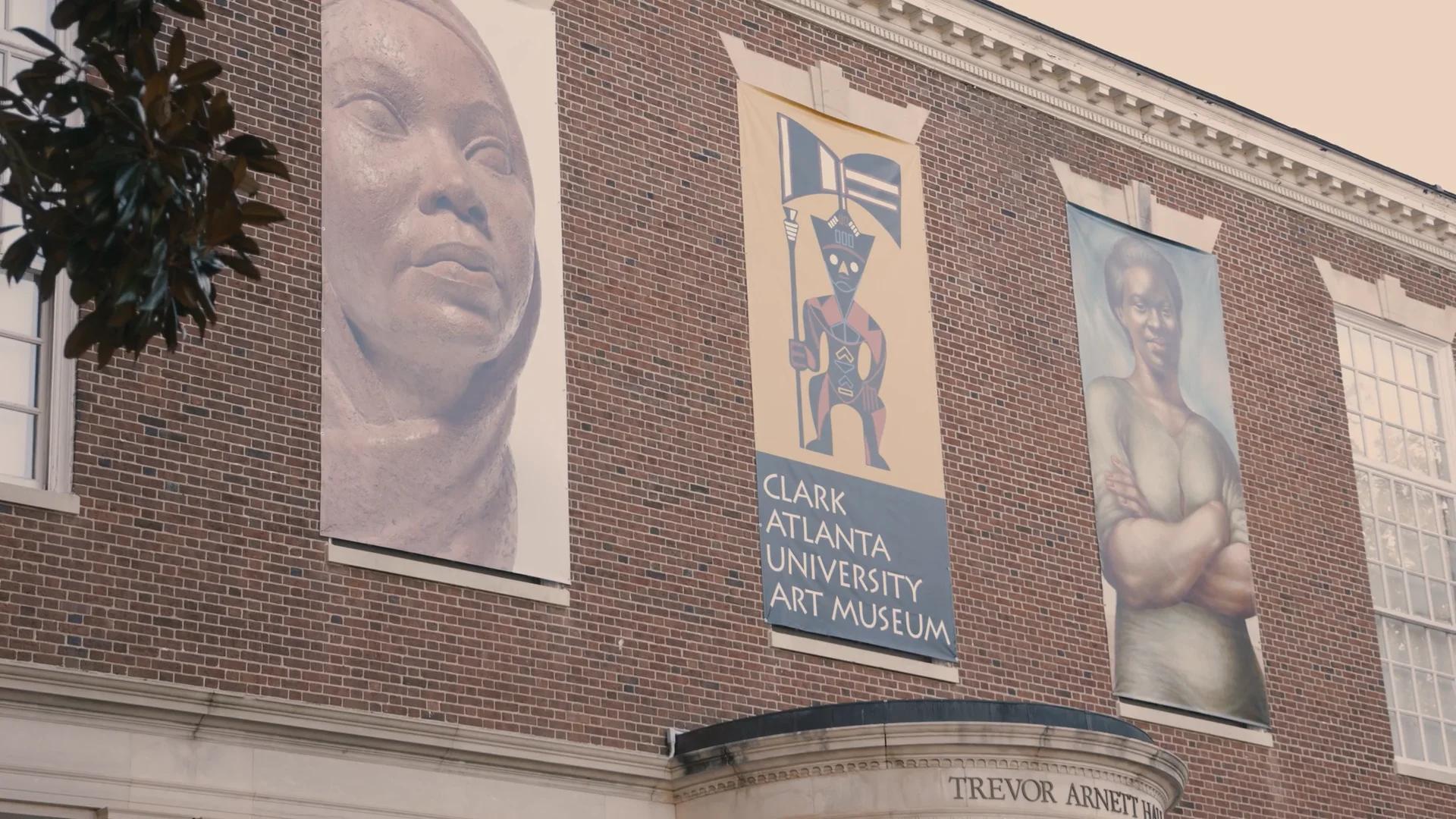
Trevor Arnett Hall, home of the Clark Atlanta University Art Museum in Atlanta.

210 Solutions Project

Clark Atlanta University Trevor Arnett Hall Intrusion Detection

Clark Atlanta University needed to replace an aging intrusion system protecting important museum spaces without leaving any area unprotected during the transition. 210 Solutions deployed one monitored platform divided into three independently controlled security areas, supported by layered door, motion, and glass-break detection.

Clark Atlanta University

Atlanta, Georgia

The environment

Start with the environment and the operating reality.

Trevor Arnett Hall is home to the Clark Atlanta University Art Museum and spaces used to exhibit, preserve, and study its collection. The gallery, collections storage, and object-study functions follow different daily schedules, so each area needs to be secured without forcing the entire facility into the same operating mode.

The challenge

The existing burglary-alarm system had reached the point where replacement was the responsible path. The new system needed to protect three distinct museum functions, give authorized staff straightforward local control, and provide continuous professional monitoring.

The constraints

This was an active university and museum environment. The changeover had to be carefully sequenced so the existing system remained available until the new platform, communications, controls, and detection devices had been installed and tested. Public project documentation also needed to explain the result without exposing floorplans, room numbers, sensor locations, or other operational security details.

The approach

Design the system around the people who use it.

210 Solutions designed one commercial intrusion platform with three independent partitions. That gives each protected area its own arming schedule and authorized users while keeping administration, monitoring, and future support on one coordinated system.

Layered detection was selected so the system could recognize several different types of events instead of relying on a single sensor type.

What 210 delivered

From plan to a working, supportable system.

Scope

  • Commercial IQ Pro intrusion platform
  • Three independently controlled security partitions
  • PowerG door and window contacts, motion detection, and acoustic glass-break detection
  • Remote touchscreen control stations for authorized staff
  • Wireless signal support for dependable coverage
  • 24/7/365 professional monitoring
  • Testing, commissioning, user handoff, and coordinated retirement of the legacy system

Execution

The team staged and configured the replacement platform, enrolled the detection and control devices, assigned the protected areas to their respective partitions, and verified alarm communications. Each device and operating workflow was tested before the old system was taken out of service, preserving protection throughout the transition.

The outcome

Technology that supports the operation.

The museum now has one supportable intrusion platform without giving up operational separation. Gallery, storage, and study functions can be armed or disarmed independently, authorized staff have a consistent control experience, and alarm events are backed by continuous professional monitoring.

Just as importantly, the replacement was completed through a controlled cutover instead of creating a gap between the old and new systems.

Key takeaway

One monitored platform now protects three independently operated museum areas, with layered detection and a carefully managed cutover that avoided leaving the collection spaces unprotected.

Plan the next project

Tell us what your building needs to do better.

Start with the people, the room, and the problem. We will help define a practical next step.